

How does the FODMAP diet work?

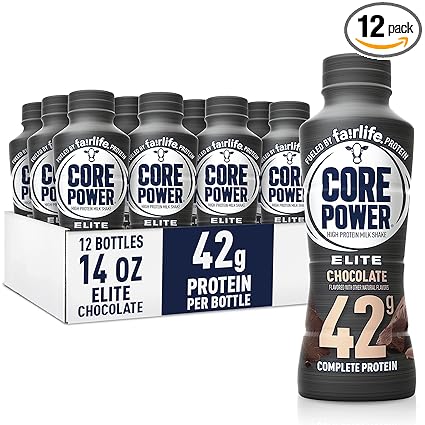
High Protein Milk Shakes For kosher diet, Ready to Drink for Workout Recovery, Chocolate, 14 Fl Oz (Pack of 12), Liquid, Bottle
Product Description
Flavor: Chocolate | Size: 14 fl. Oz (Pack of 12) core power elite is a delicious protein shake. The base of our protein drinks is ultra-filtered milk, which follows an innovative filtration process to concentrate protein and calcium and filter out lactose. With 42g of high quality Complete Protein and all 9 essential amino acids, core Power Protein drinks support healthy workout recovery. core power elite high protein shakes are also available in Vanilla.
Product Details
Product Dimensions : 24 x 12 x 12 inches; 10.92 Pounds
Item model number : 1
UPC : 811620020640
Manufacturer : fairlife, LLC.
ASIN : B01DDIRDZA
Country of Origin : USA
Transform your body by burning fat for fuel with the low-carb, high-fat keto diet.
How-Guide.NET
The FODMAP diet is an eating plan that aims to reduce the consumption of certain types of carbohydrates called FODMAPs, which stands for Fermentable Oligosaccharides, Disaccharides, Monosaccharides, and Polyols. These carbohydrates can be poorly absorbed in the small intestine and can ferment in the colon, leading to symptoms such as bloating, gas, abdominal pain, and diarrhea in some individuals.
The FODMAP diet was developed to help manage symptoms of irritable bowel syndrome (IBS) and other gastrointestinal disorders. It involves three main phases:
- Eliminatio:
During this phase, high-FODMAP foods are eliminated from the diet for a period of typically 2 to 6 weeks. This allows the person to assess whether their symptoms improve without the consumption of FODMAPs. How does the FODMAP diet work?
High-FODMAP foods include certain fruits (e.g., apples, cherries, peaches), vegetables (e.g., onions, garlic, cauliflower), legumes (e.g., beans, lentils), dairy products containing lactose (e.g., milk, yogurt), wheat and rye products, certain sweeteners (e.g., honey, high-fructose corn syrup), and some beverages (e.g., certain fruit juices, beer).
- Reintroduction:
Once the elimination phase is completed, individual FODMAP groups are systematically reintroduced one at a time while monitoring symptoms. This phase helps identify specific FODMAPs that trigger symptoms in an individual, as different people may have different triggers.
The reintroduction phase is usually conducted under the guidance of a registered dietitian to ensure proper evaluation and interpretation of symptoms.
- Personalization
In this phase, a person’s diet is personalized based on their specific trigger foods. Foods that don’t cause symptoms are generally reintroduced, while those that trigger symptoms are limited or avoided. How does the FODMAP diet work?
During the FODMAP diet, it’s important to note that not all high-FODMAP foods need to be completely eliminated forever. The goal is to identify individual triggers and establish a threshold for each FODMAP group. Some individuals may find that they can tolerate certain high-FODMAP foods in smaller quantities or when consumed in combination with low-FODMAP options.
Following a low-FODMAP diet can be challenging as it requires careful attention to food labels and ingredients. It’s important to work with a registered dietitian or healthcare professional who is knowledgeable about the FODMAP diet to ensure nutritional adequacy and to navigate potential dietary restrictions.
It’s worth mentioning that the FODMAP diet is not suitable for everyone. It is primarily recommended for individuals with diagnosed digestive disorders, particularly irritable bowel syndrome (IBS). If you suspect you have a digestive condition or are experiencing persistent digestive symptoms, it’s essential to consult with a healthcare professional for an accurate diagnosis and appropriate guidance.
It’s also important to note that the FODMAP diet is a tool for symptom management, not a cure for underlying digestive disorders. It can be combined with other lifestyle changes, such as stress management techniques and regular physical activity, to help improve overall digestive health.
Lastly, research on the FODMAP diet is still ongoing, and it continues to evolve. New information may emerge that could refine our understanding of the diet and its applications. Therefore, staying informed and seeking guidance from healthcare professionals who specialize in digestive health is crucial for the most up-to-date and accurate information.
Remember, this information is provided for general knowledge, and it’s always best to consult with a healthcare professional or registered dietitian before making any significant changes to your diet or lifestyle.
It’s important to note that the FODMAP diet is not a long-term or permanent diet. Once trigger foods have been identified, the goal is to establish an individualized diet that includes a wide variety of foods while avoiding only the specific triggers. How does the FODMAP diet work?
If you suspect that you may benefit from the FODMAP diet, it’s recommended to consult with a registered dietitian who specializes in gastrointestinal disorders. They can guide you through the process and help ensure that your nutritional needs are met while following the diet.